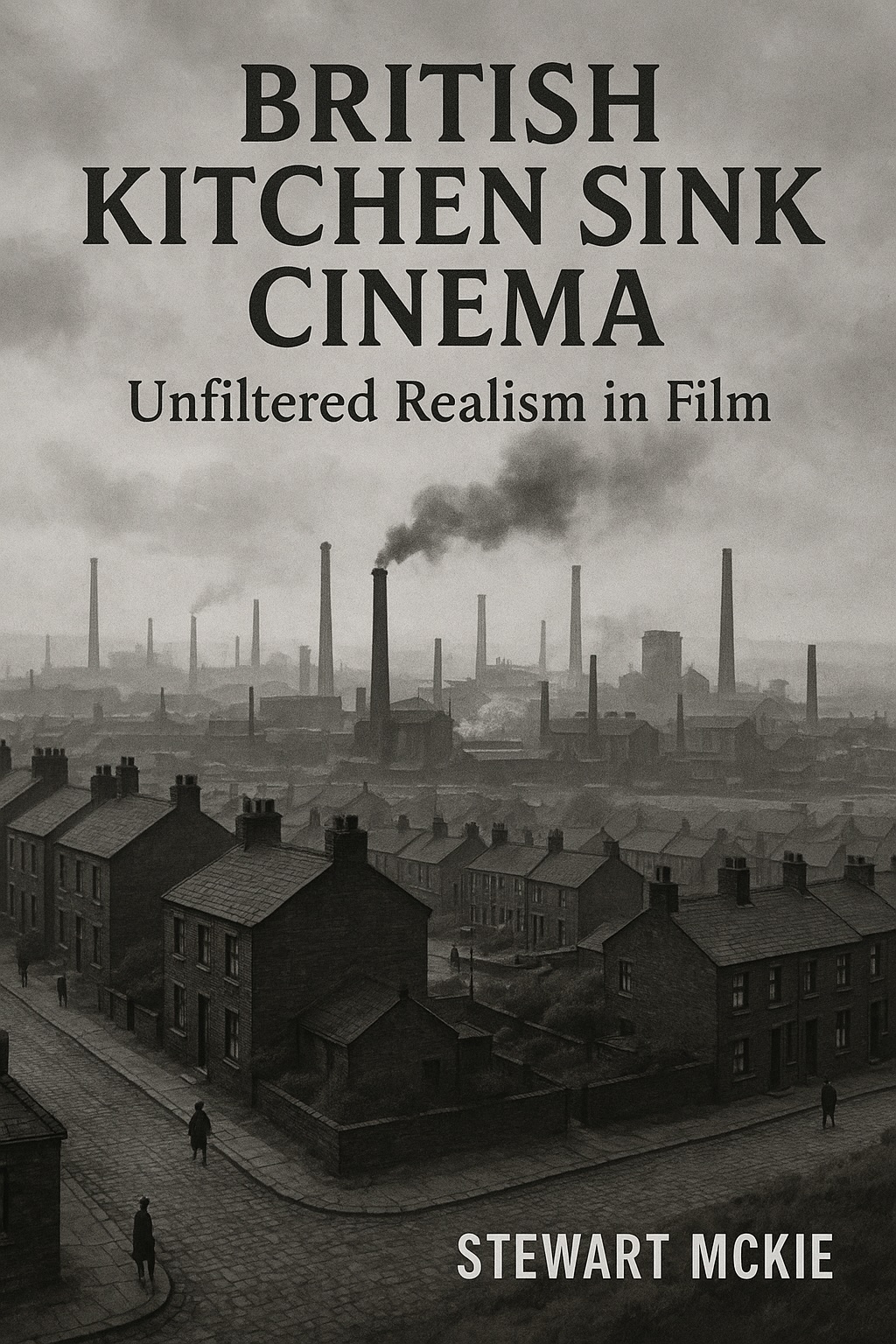
Kitchen Sink Cinema
The world of Morecambe, 1960
Manual worker weekly earnings, 1960 unverified
The average weekly wage for a male manual worker in Britain in 1960 was approximately £11 to £12, with unskilled workers in seaside-resort service jobs often earning less. Morecambe's economy depended heavily on seasonal work — hotel porters, fairground hands, and boarding-house staff might earn as little as £7–£8 a week in the summer season, with little work in winter. National Insurance contributions of around 4 shillings a week were deducted before a man saw his pay packet.
AI-sourced — verify against ONS/Hansard/period sources before publishing.
Seaside boarding-house rates, Morecambe, 1960 unverified
A full-board week in a Morecambe boarding house in 1960 cost roughly 5 to 7 guineas per adult (£5 5s to £7 7s), including breakfast, a midday dinner, and high tea. A pint of bitter in a Morecambe pub such as those along the West End promenade cost around 1 shilling and 2 pence. A stick of Morecambe rock from a promenade stall was about 3 pence.
AI-sourced — verify against ONS/Hansard/period sources before publishing.
"Why" (Anthony Newley song) unverified
Anthony Newley's "Why" reached number one in the UK Singles Chart in February 1960 and stayed there for four weeks. Newley's cockney-inflected performance style had much in common with the faded-variety-artist world depicted in The Entertainer, and his records would have been heard on jukeboxes in Morecambe cafés and amusement arcades throughout the summer season. The song was released on Decca Records.
AI-sourced — verify against ONS/Hansard/period sources before publishing.
Coronation Street
Coronation Street is a British television soap opera created by Granada Television and shown on ITV since 9 December 1960. The programme centres on a cobbled, terraced street in the fictional town of Weatherfield in Greater Manchester. The location was itself based on Salford, the hometown of the show's first screenwriter and creator, Tony Warren.
Coronation Street made its first broadcast on ITV on 9 December 1960, produced by Granada Television whose transmitter served the Lancashire coast including Morecambe. The programme depicted working-class northern terraced life that Morecambe residents would have recognised immediately — back-to-back streets, corner shops, and the pub as social centre. By early 1961 it was already drawing audiences of over 13 million.
Sharpeville massacre
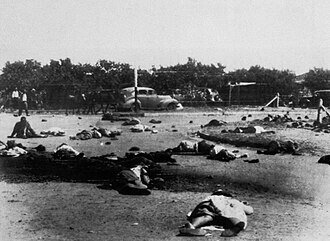
The Sharpeville massacre occurred on 21 March 1960, when police opened fire on a crowd of people who had assembled outside the police station in the township of Sharpeville in the then Transvaal Province of the then Union of South Africa to protest against the apartheid system and its pass laws.
On 21 March 1960 South African police killed 69 Black protesters at Sharpeville, an event that dominated British newspaper front pages for days and prompted protests in Lancashire towns. The Morecambe and Heysham Labour Party passed a resolution condemning apartheid within weeks. The massacre accelerated the movement to expel South Africa from the Commonwealth, finalised in 1961.
Betting and Gaming Act 1960
The Betting and Gaming Act 1960 was a British act of Parliament that legalised additional forms of gambling in the United Kingdom. It was passed on 1 September 1960 and came into effect on 1 January 1961.
The Betting and Gaming Act 1960, which received Royal Assent on 29 July 1960, legalised cash betting shops for the first time in Britain, transforming the leisure landscape of working-class seaside towns like Morecambe almost overnight. Before the Act, off-course cash betting was illegal and conducted through street bookies — a familiar figure on Morecambe's back streets. Licensed betting offices began opening across the country from May 1961.
Morecambe's boarding-house belt unverified
By 1960 Morecambe had approximately 600 registered boarding houses and small hotels, many of them Victorian and Edwardian terraces converted along the seafront and in streets running back from the promenade. Occupancy had been declining since the mid-1950s as cheap package holidays to Spain began to undercut the British seaside. Many landladies kept rates low and houses in marginal repair, producing the slightly threadbare domestic interiors visible throughout The Entertainer's location shooting.
AI-sourced — verify against ONS/Hansard/period sources before publishing.
Morecambe Bay potted shrimps unverified
Morecambe Bay brown shrimps, potted in spiced butter, were a staple local delicacy sold in the town's market and fishmongers for about 1 shilling and 6 pence for a small pot in 1960. The shrimping industry, carried on by horse-drawn carts on the sands at Flookburgh and Morecambe, employed a small but distinct local workforce year-round. Potted shrimps were served as a starter in the better boarding houses and as a teatime treat in humbler ones.
AI-sourced — verify against ONS/Hansard/period sources before publishing.
Teddy boy subculture unverified
By 1960 the original Teddy boy look — drape jackets, drainpipe trousers, crepe-soled shoes — was five or six years old and had filtered down from London to northern seaside resorts like Morecambe, where groups of Teds gathered around the amusement arcades and dance halls on summer evenings. Cheap, off-the-peg drainpipes could be bought at Morecambe's Burton Menswear or C&A equivalent for around 25 shillings. The style was beginning to be displaced among younger teenagers by the Italian-influenced Continental look of slim suits and winkle-pickers.
AI-sourced — verify against ONS/Hansard/period sources before publishing.
Morecambe F.C.
Morecambe Football Club is a professional association football club based in Morecambe, Lancashire, England. The team plays in the National League North, the sixth level of the English football league system, following relegation from the National League.
Morecambe F.C., founded in 1920, played in the Lancashire Combination in 1960, a Saturday-afternoon ritual for working men who had little else available on winter weekends in the town. Christie Park, the club's ground on Lancaster Road, had a capacity of around 9,000, though average gates were much lower. The club did not reach the Football League until 2007, meaning in 1960 it was strictly amateur-local entertainment.